


An active and developed economy
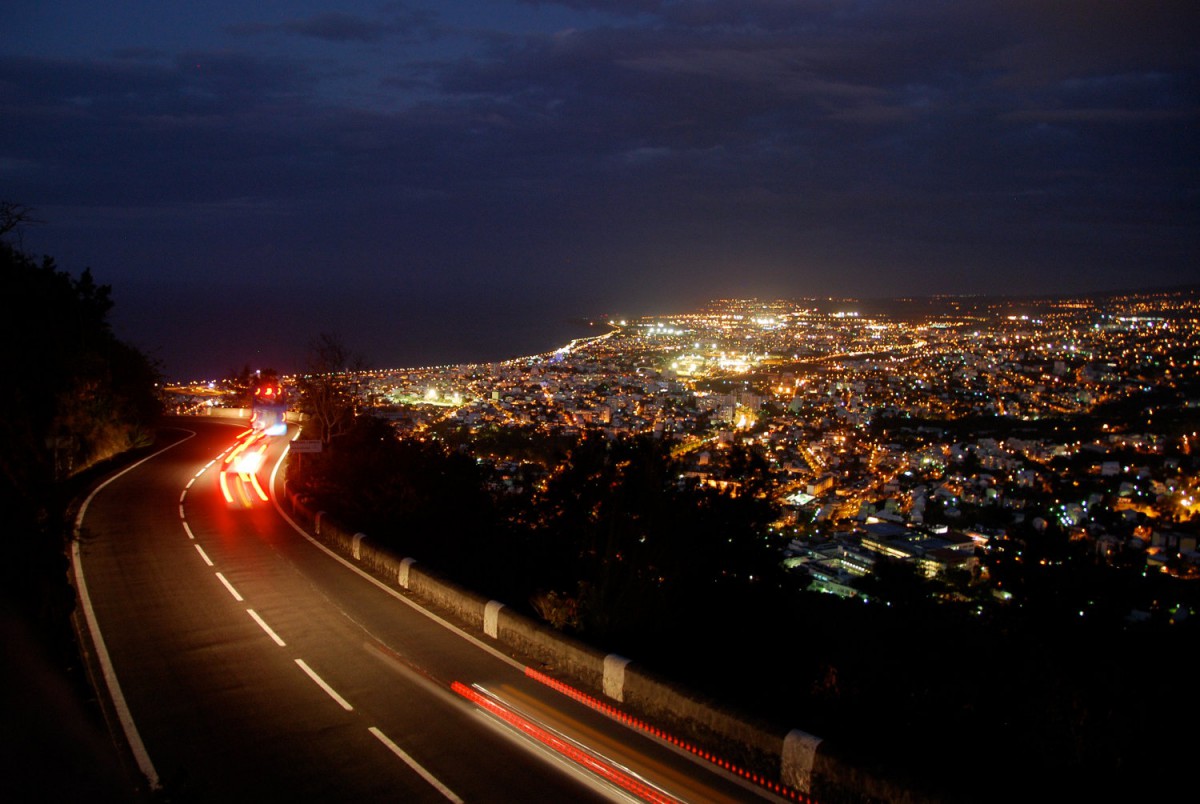
Reunion's economic landscape is that of a developed country, in terms of legislation, business practices, productivity, technology, etc. The tertiary sector is the main driving force behind the island's economy, with the presence of major groups, several companies listed on the stock exchange, a technology park and a competitiveness cluster.
The development of tourism is also a priority for the island. Approximately 500,000 people choose Réunion as a holiday destination each year.
The territory has bright prospects for growth in this field and major tourist development projects are in the pipeline. Reunion is also part of the Vanilla Islands which, together with Mauritius, Madagascar, the Seychelles, the Comoros and Mayotte, offer a choice of varied and complementary destinations within the same area.
Agriculture and livestock farming have diversified. Today, they cover 75% of the island's needs in fresh produce.
The Nexa agency is responsible for the economic promotion of the territory outside the borders of Réunion and the Reunion Island Tourism (IRT) for the promotion of tourism.
A growth rate higher than that of mainland France
Since the 1970s and until 2008, the island's economy has grown at a rate of around 5%, thanks to the development of strong local production, reducing import levels.
Despite a deteriorating global context with employment consequences in particular, growth remains higher than that of the mainland: 3.2% in 2018 for a GDP of over 18 billion euros.
A strong presence of major groups
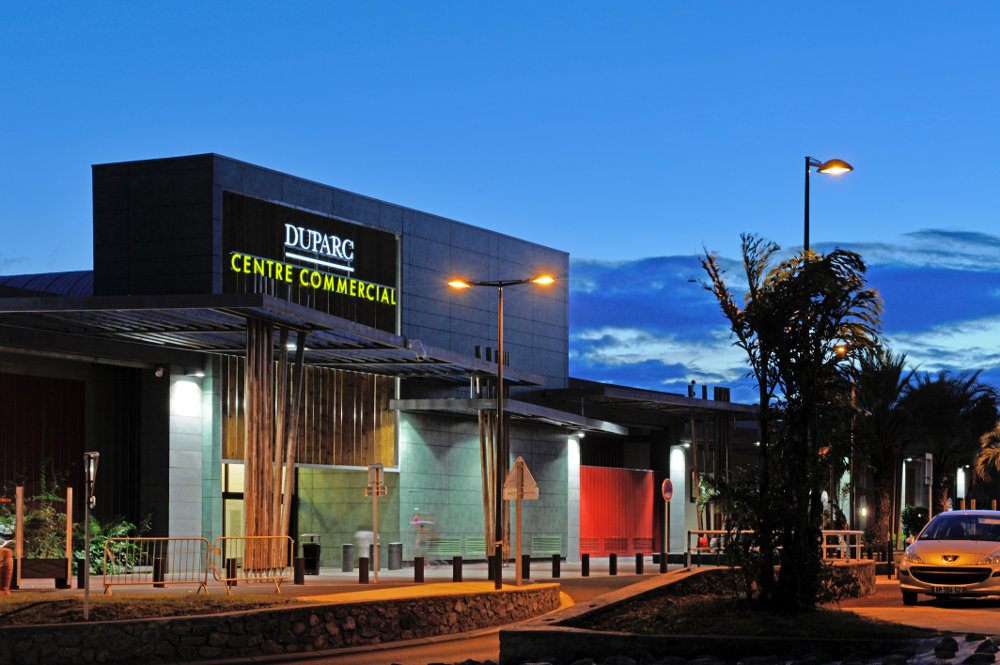
In most sectors, major national and international groups are committed contributors to the island's economy: Casino, E. Leclerc, Auchan, Carrefour, Leroy Merlin, Décathlon... Orange, SFR, Numéricable, Canal Sat, Mediaserv, Zéop... Vinci, Bouygues, Eiffage... BNP, Société Générale, Crédit Agricole, Caisse d'Epargne, Sorefi, Groupama, Axa... Toyota, Ford, PSA, VAG, Mercedes, BMW... EDF, Total, Albioma (Séchilienne-Sidec), Véolia...
Reunion is also the French department with the most media (written press, audiovisual, online), after Paris.
In the financial sector, the public financial institutions Caisse des Dépôts et Consignations and AFD (Agence Française de Développement) are the major players in the financing of companies.
Areas of excellency
Réunion is a leader in several fields considered to be strategic for its development and potentially for that of the national territory.
The competitiveness cluster Qualitropic is gradually guiding the territory towards its future economic model based on innovation in the bio-economy sectors.
Pipangaï, a 3D production studio, has acquired a worldwide reputation.
The Cyroi Cyclotron (the only one in the area) carries out R&D and public health missions, including at regional level.
Beauséjour, built by CBo Territoria, is one of the first sustainable towns to be developed in a tropical environment...
The Route des Tamarins, completed in 2010, is a four-lane dual carriageway linking the West to the South of the island. It has unique complexities due to the topography of the island and includes more than 120 engineering structures spanning a distance of less than 40 km...
The University of Reunion welcomes and trains more than 13,000 students every year...
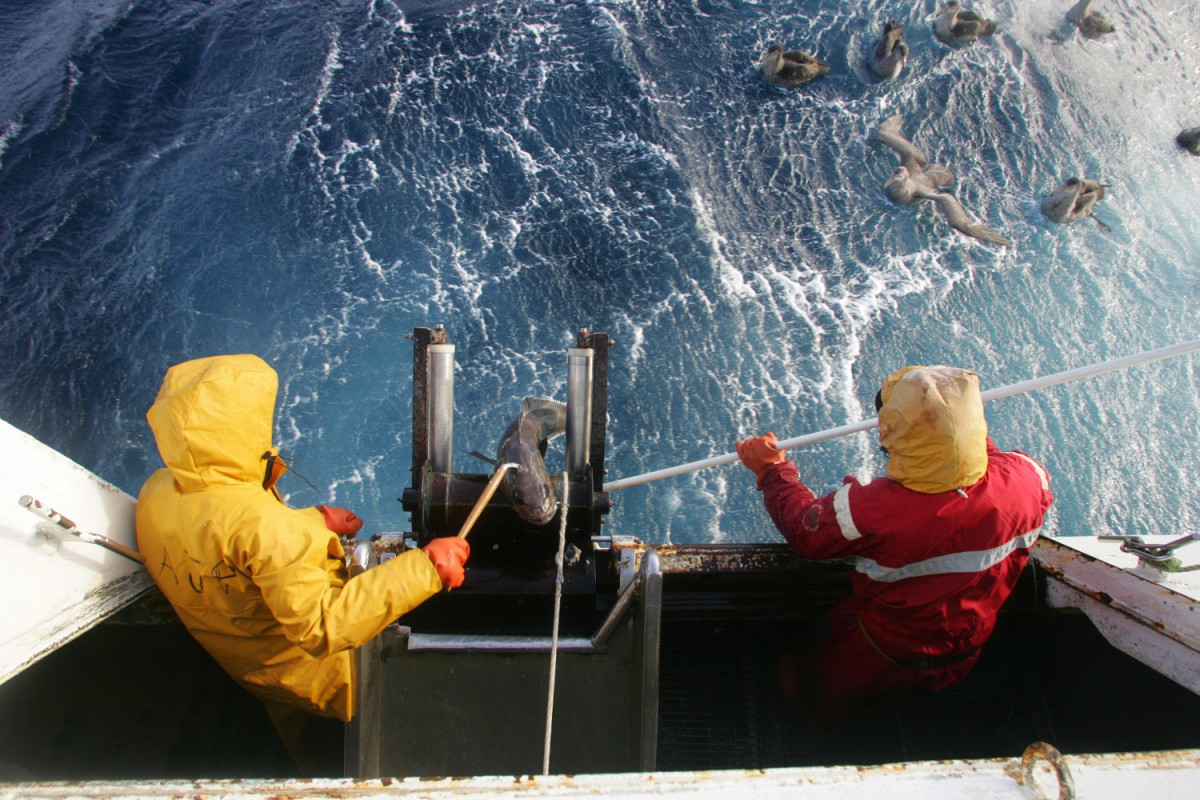
The private sector is not to be outdone and many Réunionese companies export their know-how, like Bourbon. For a long time the island's leading sugar group, this Reunionese group has now converted to become one of the world's leading offshore oil companies, with more than 11,000 employees and 500 ships in 50 countries.
The green energy revolution
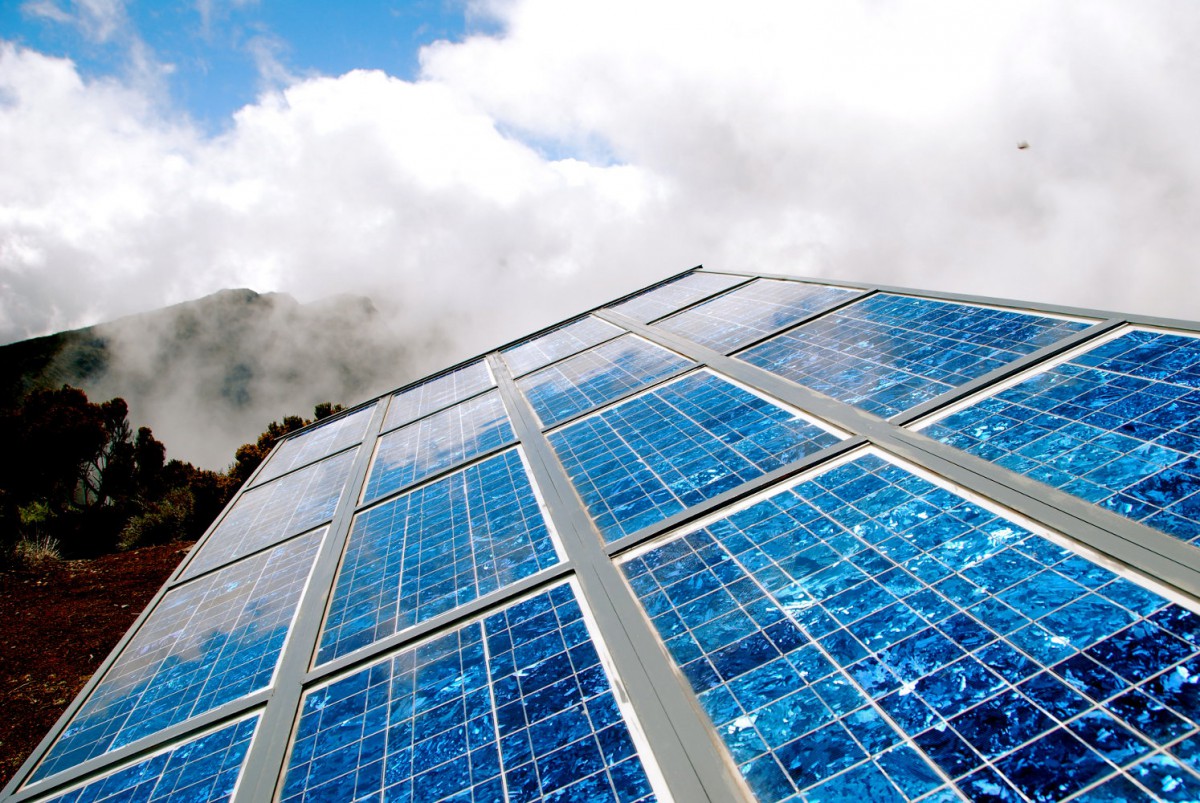
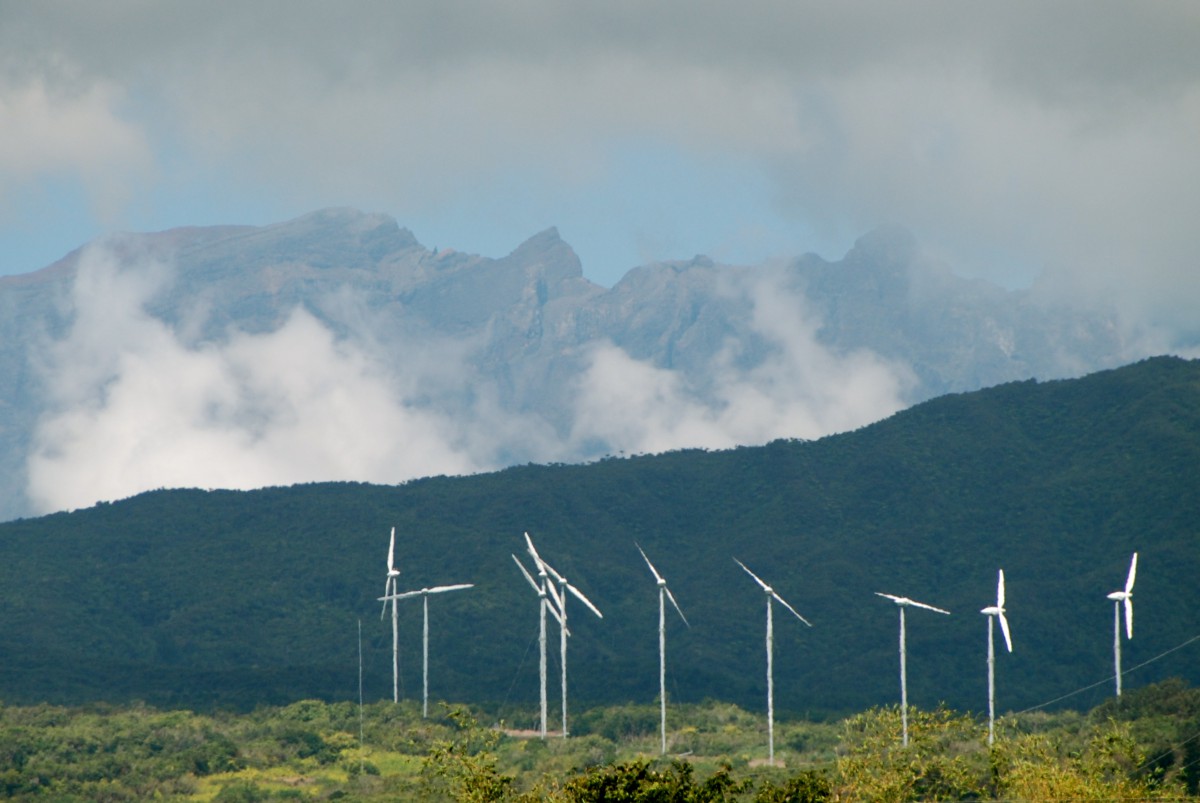 Reunion has neither gas nor oil. But it does have water, air, sun and biomass. The Reunion Energy project, which was set up as part of the Grenelle Environment Forum under the original name of GERRI, aims to make the island energy self-sufficient by 2030.
Reunion Island is a true laboratory with breakthroughs benefiting the national territory in its energy transition prospects. For example, it has the second largest fleet of solar water heaters in Europe after Crete. Renewable energies (hydro, wind, photovoltaic, etc.) currently account for 30% of electricity production.
Other new renewable energies will be developed in years to come, such as biogas, produced from the methanisation of waste and transformed into electricity at the St Etienne river.
Marine energies are still at the experimental stage and are the subject of industrial experiments on the island: swell energy in St Pierre, and seawater air conditioning tested at the South Reunion University Hospital with the SWAC (Sea Water Air Conditioning).