



Residential real estate: strong demand, a challenge to tackle
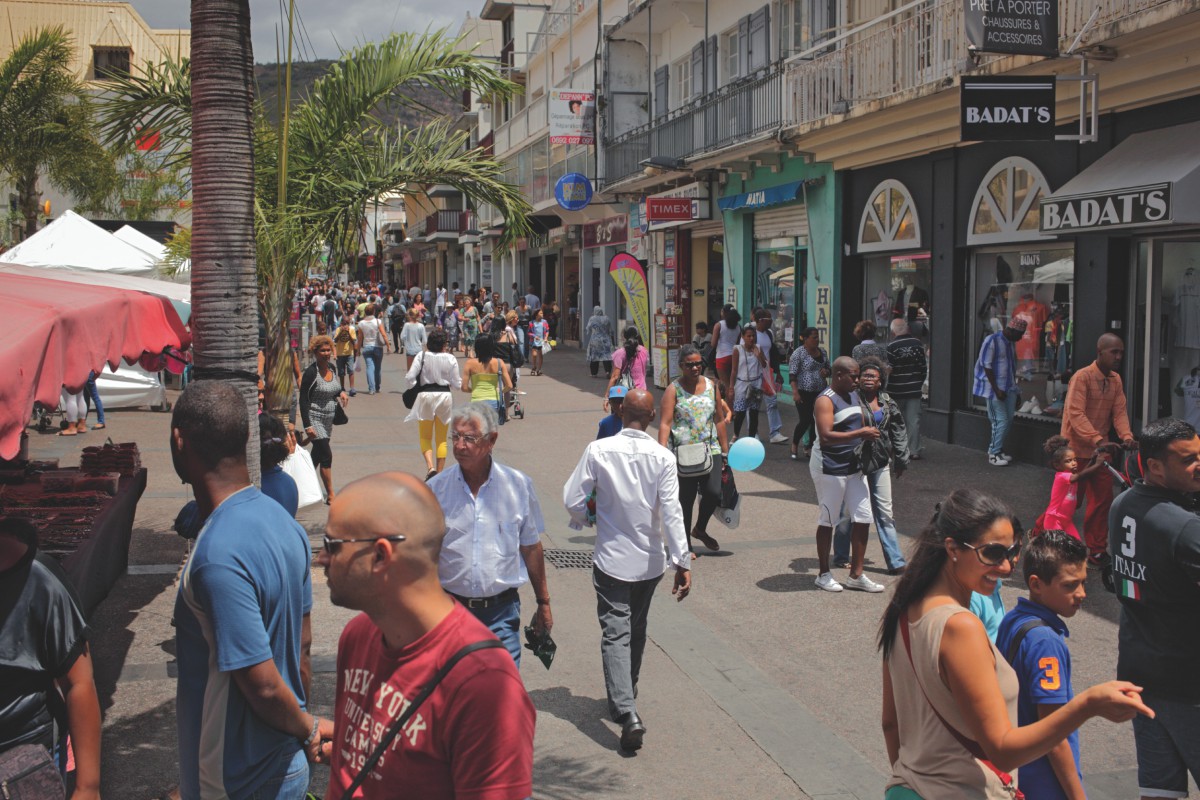
Demographics remain important in Réunion. It drives economic development as much as it generates a constant demand for housing. 70% of the territory is dedicated to natural areas with rugged terrain. Only 30% of the territory can be built on. The need for housing is therefore considerable.
The number of housing units to be built for approximately 860,000 inhabitants is estimated at nearly 8,000 per year, i.e. 169,000 units to be built by 2035. This is twice as much as the national average in terms of population. A region like Lyon Metropole, for example, builds 7,500 dwellings per year for 1.3 million inhabitants. According to INSEE projections, the island could reach 1 million inhabitants by 2030 (compared to 860,000 in 2018). This is a challenge that needs to be taken up and Réunion has the necessary expertise and companies to achieve it.
Sale or rental, social, intermediate or private housing, building land... All market segments are targeted.
Real estate development is therefore a scarce resource: an opportunity for CBo Territoria to develop its land holdings on strategic sites ideally located near the main roads and at the gates of major cities.
Tax incentives for better housing
Since 1986, the tax incentive law has provided an answer to this strong demand and has contributed to housing the people of Reunion. It encourages Reunionese and mainland nationals to invest in rental properties on the island by offering tax breaks. Various schemes for individuals and companies have since followed one another: Girardin, Scellier, Duflot...
Although the 2014 scheme enabled better development of social housing, Reunion, like mainland France, has experienced a collapse in the production of intermediate housing with a scarcity of private investors, as a result of the ALUR and Duflot DOM laws (Access to Housing and Renovated Town Planning). Professionals in the sector, including CBo Territoria, are intervening at the highest level to reverse this decline and better meet the expectations of Reunion's families.
In 2019, the tax provisions put in place since 2014 came to an end. Only new housing or housing acquired for future completion intended for rental purposes can qualify for the Pinel DOM scheme. In addition, the Girardin IS law allows all companies subject to corporation tax to deduct 100% of their new property investment destined for rental and located in the French overseas territories and intended for rental in the intermediate sector.
Despite this, the financial incentives allow for the development of residential areas with a real social mix. This is the case in the new town of Beauséjour that CBo Territoria is currently developing in the North of the island.
Corporate real estate : the expectations of an active economy
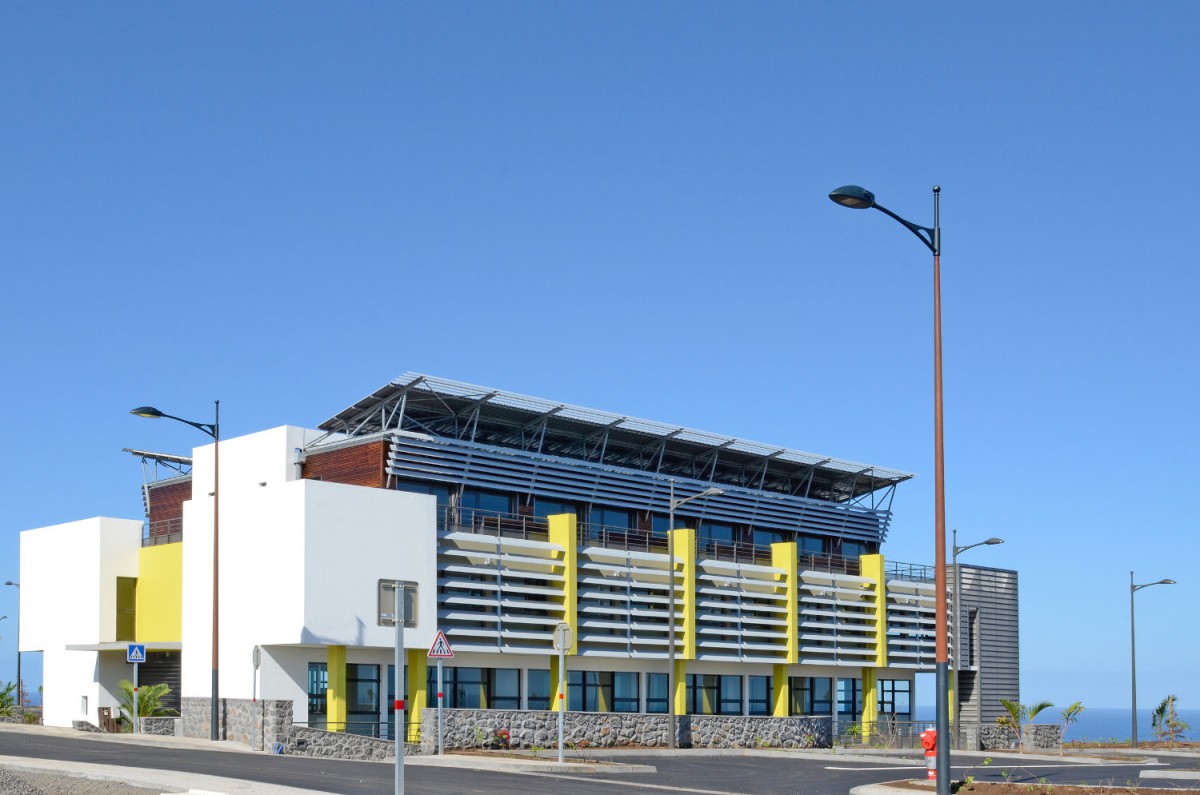 The dynamism of SMEs and the growth in net employment (3,000 to 5,000 jobs/year from 1990 to 2008) have generated significant needs for commercial real estate.
The need to modernise working facilities and the congestion of town centres have pushed companies to the outskirts.
Business premises, offices of all sizes, headquarters of large companies or public services, workshops, warehouses, shops, etc. The dynamism and professionalism of Réunion's business leaders is well established, including in export markets. It is sometimes limited by the challenge in finding expansion solutions due to land scarcity.
Thanks to the quality and diversity of its land, also its extensive expertise, CBo Territoria is able to respond to these different market segments by creating business districts and new activity centres to promote the economic development of the territory.